Houses rarely fail all at once. They send signals, small at first, and most of us learn to live with them: a stain on the ceiling, a door that sticks every summer, a kitchen drawer that has not closed right in years. Some of those can wait. Others get more expensive every season you ignore them. Here are the signs we take seriously, and the order we recommend tackling them in.
1. Water where it should not be
Stains on ceilings, peeling paint around windows, soft spots in floors and musty smells are the most important signs on this list. Water damage spreads quietly inside walls and floors, and the repair grows with every month. Find the source first, fix it at the source, then repair what it damaged.
2. Soft or bouncy floors
A floor that flexes, dips or sounds hollow can mean anything from a tired subfloor to rot from an old leak. It is also a red flag if you are planning tile, which needs a stiff, flat floor to last.
3. Drafts, fogged glass and doors that stick
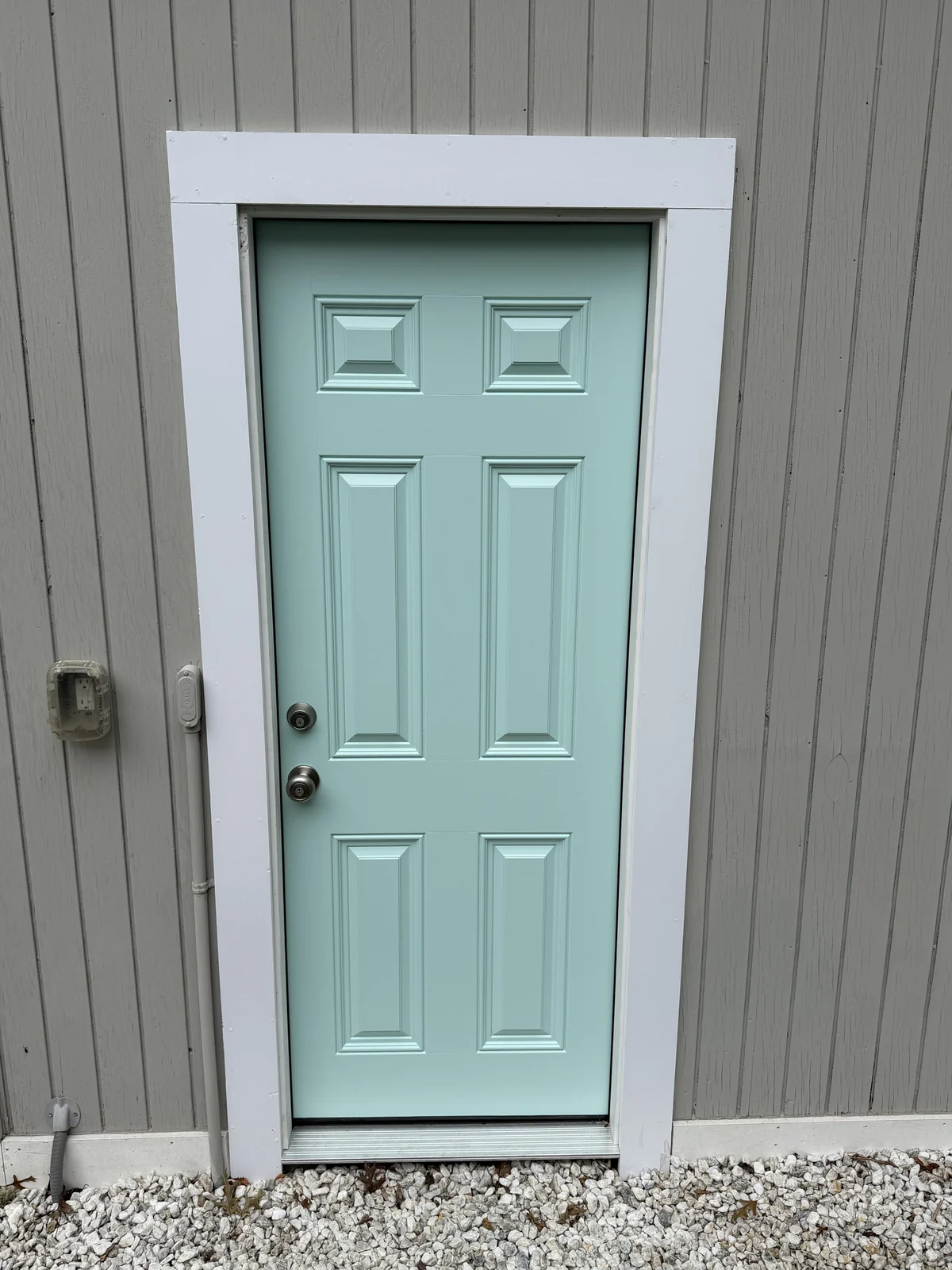
Old windows and doors cost you comfort every day, and near the coast they also let in wind-driven rain. Fogged double pane glass, rotted sills and doors that bind with the seasons are signs the openings need attention.
4. Siding, trim and decks that are wearing out
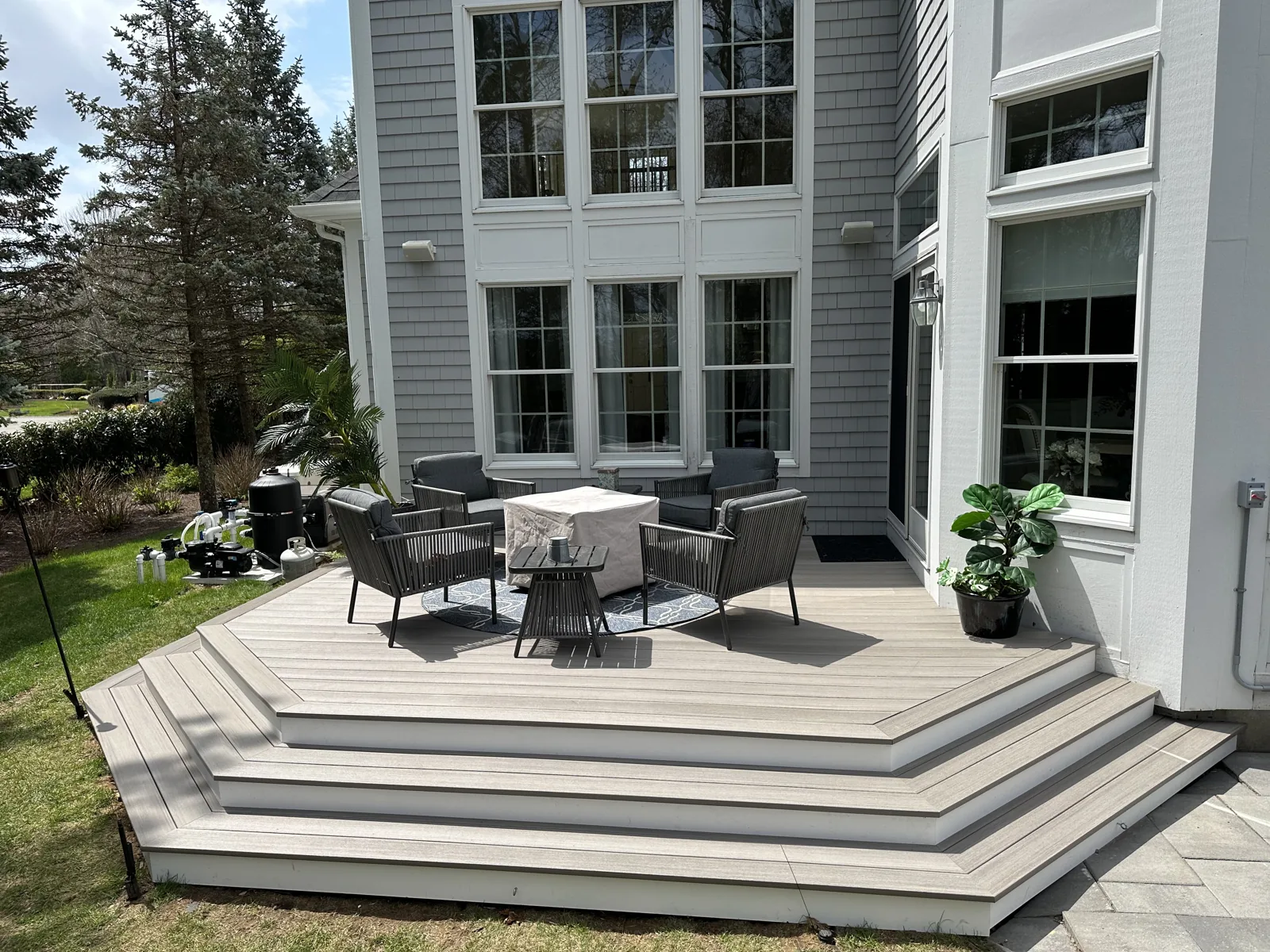
Split or curling shingles, rotted trim and deck boards that flex are not just cosmetic. The exterior is what keeps water out of the structure, and a deck or stair that feels soft underfoot is a safety issue.
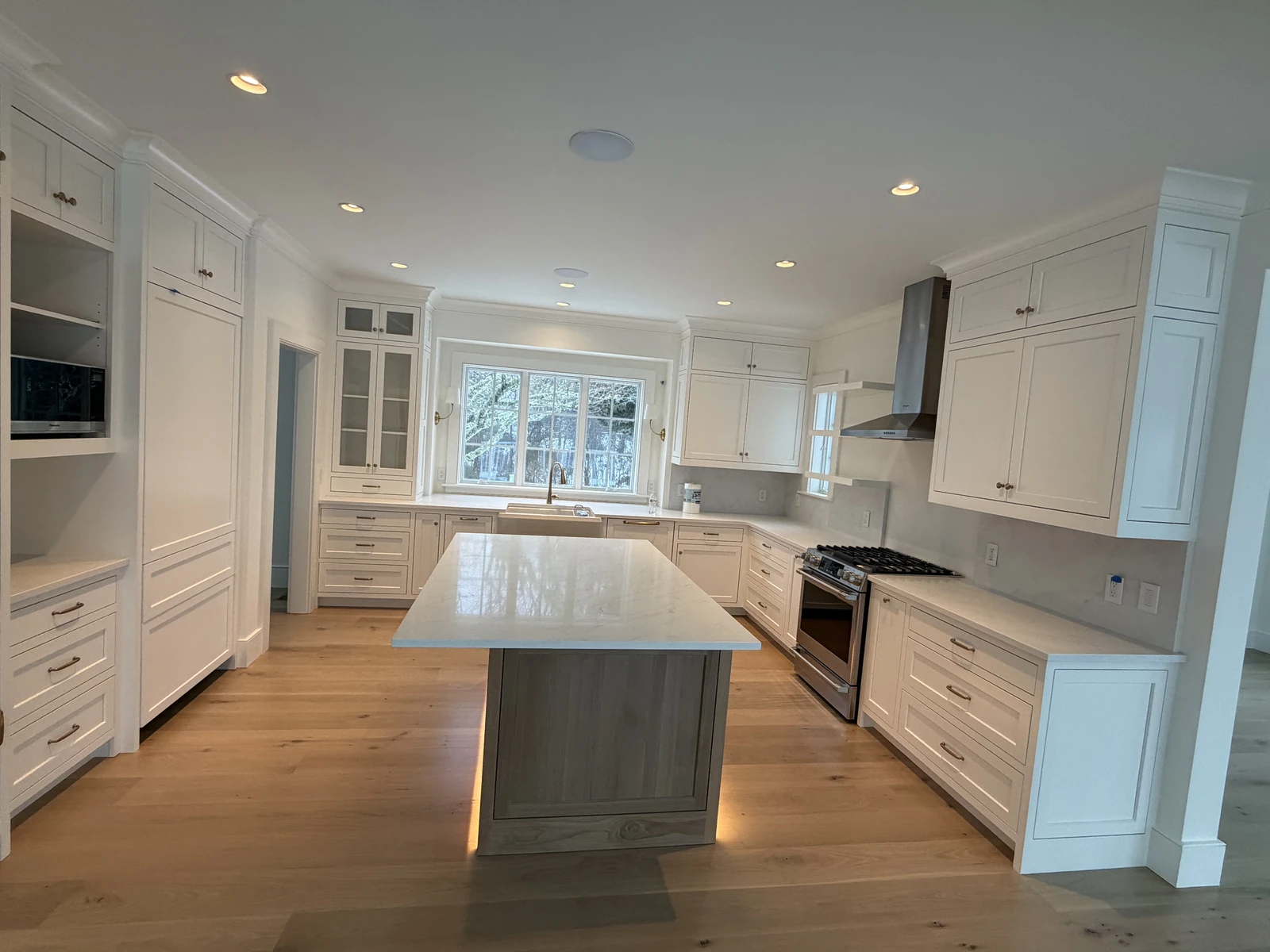
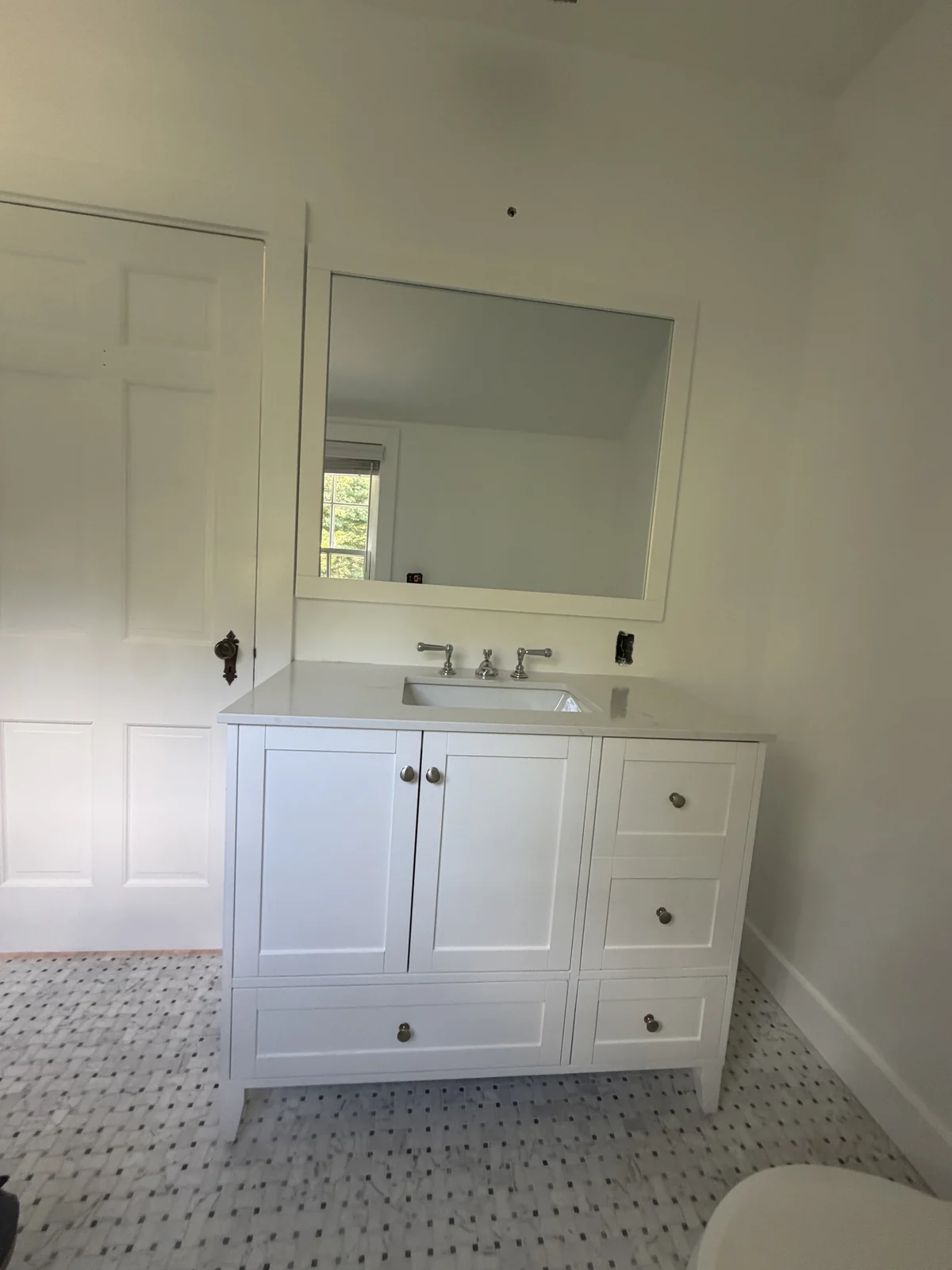
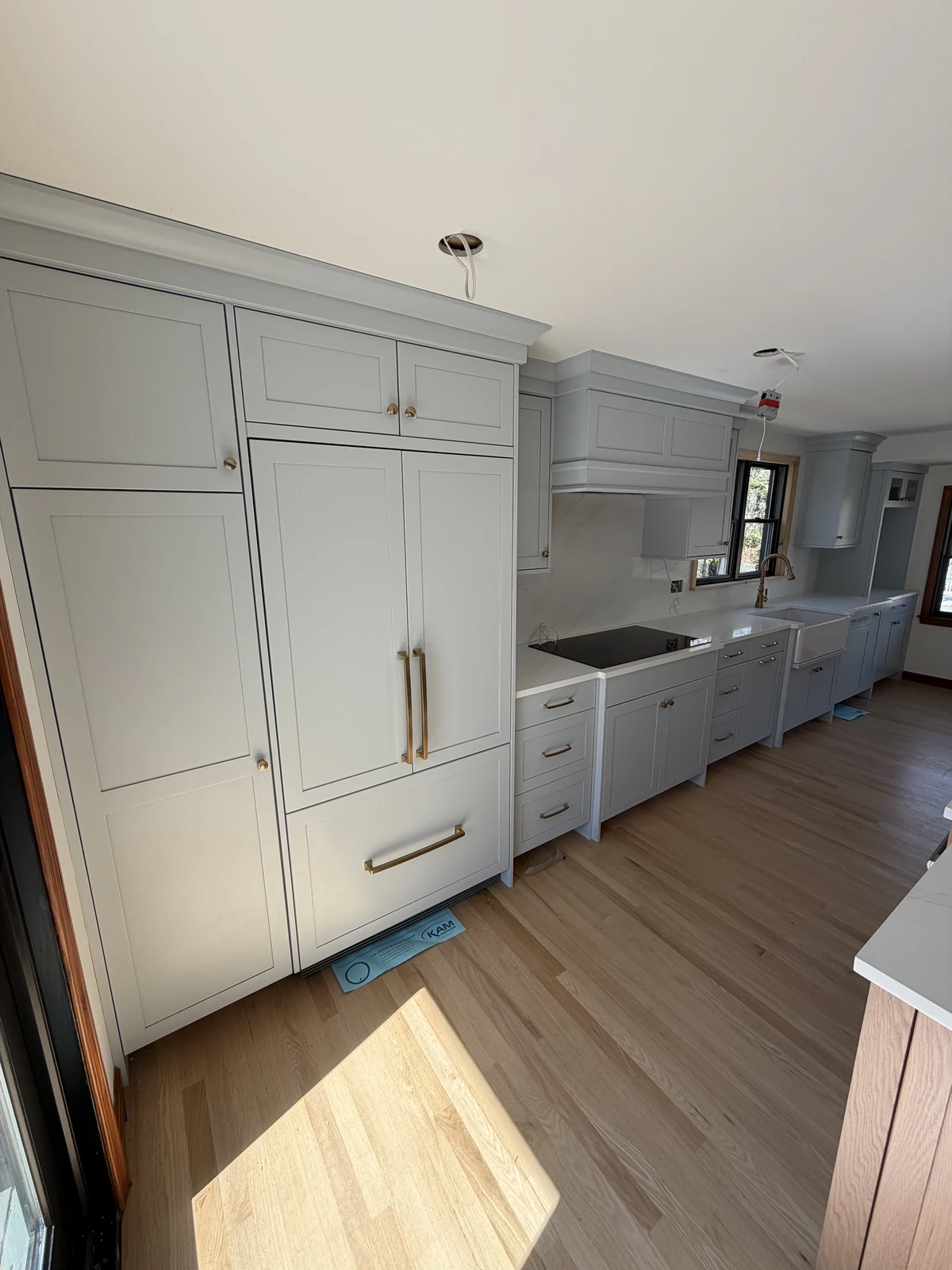
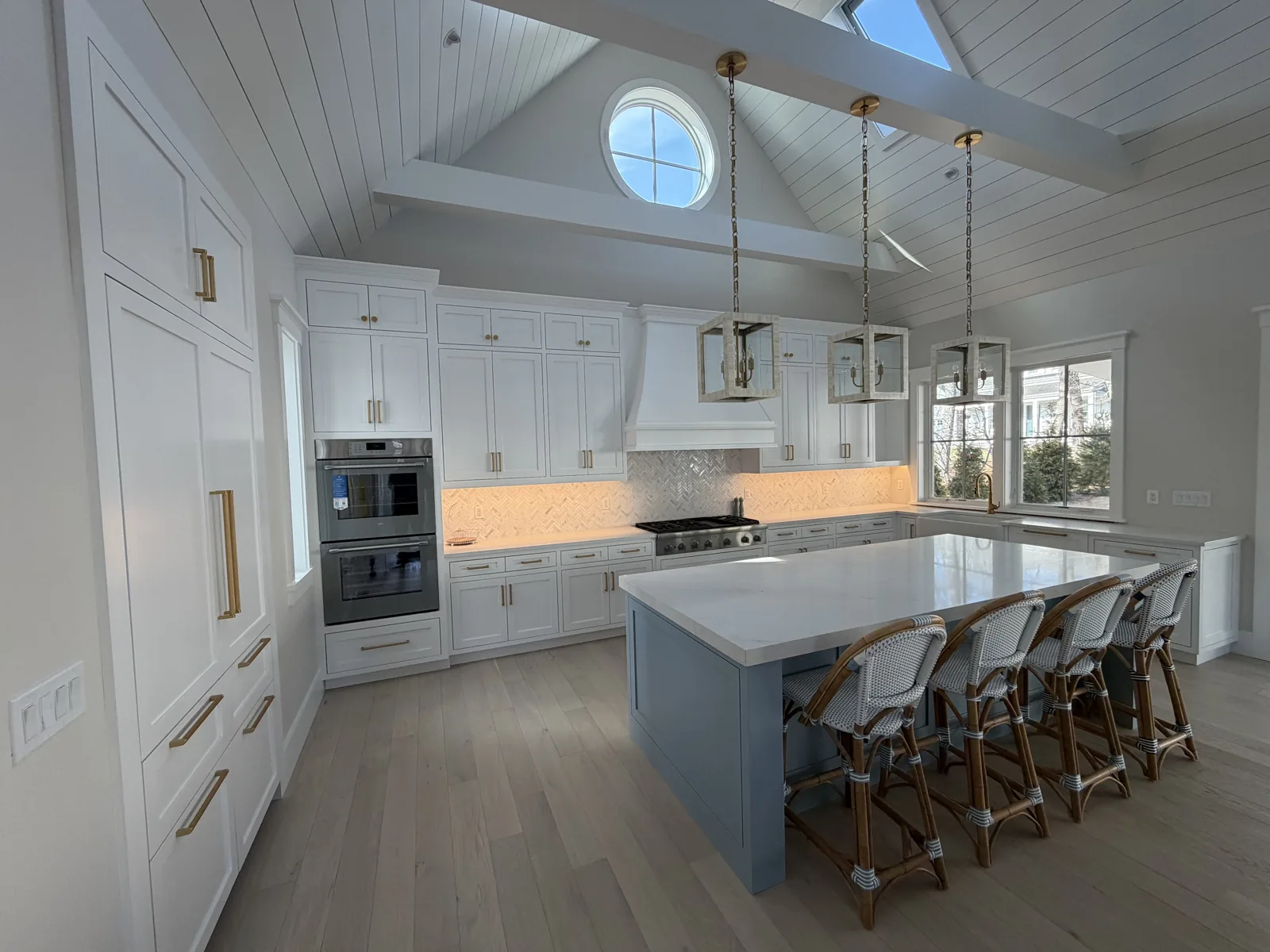
5. A kitchen or bathroom that no longer works for you
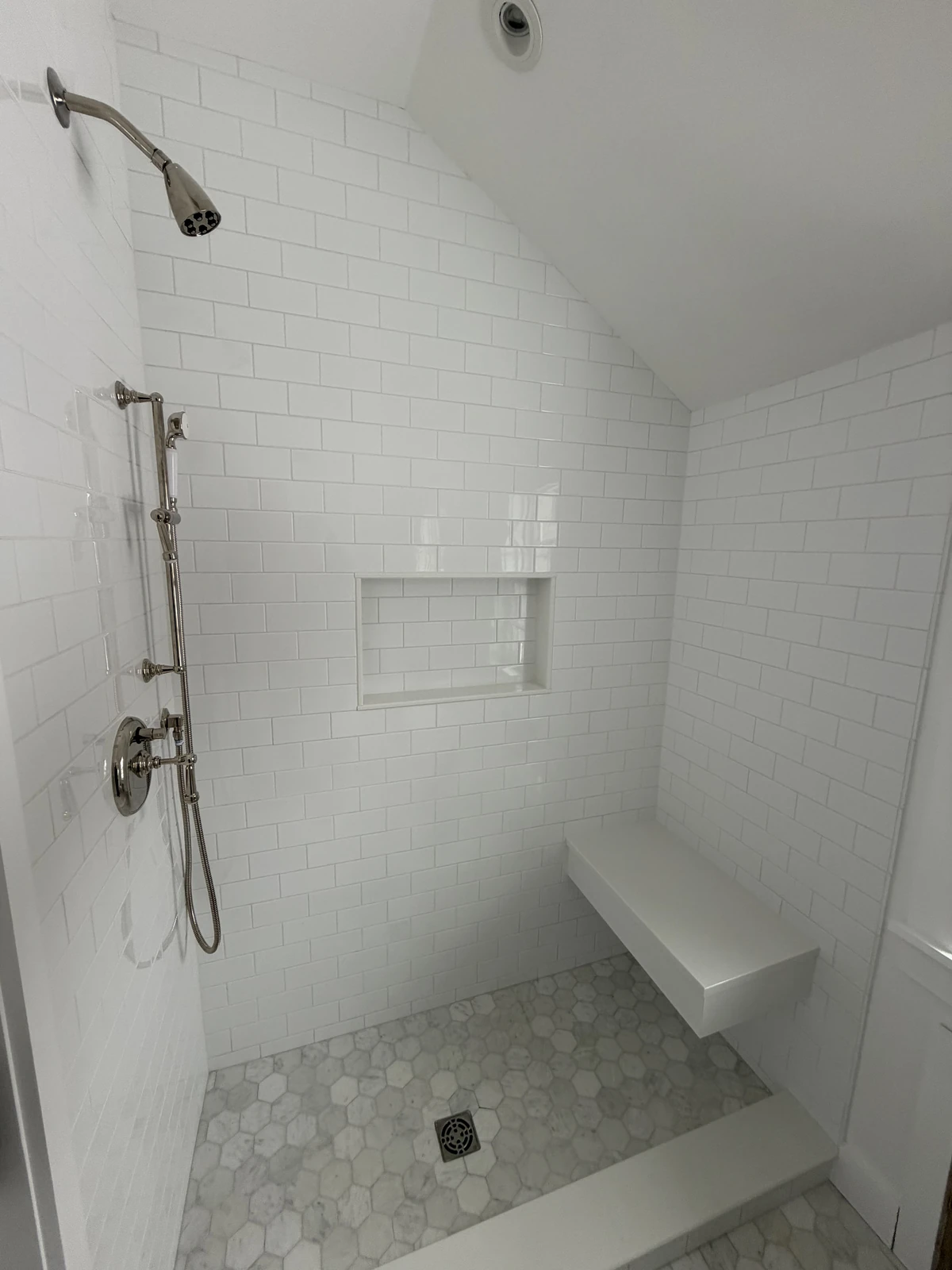
Sometimes nothing is broken, the room just does not fit how you live anymore. No counter space next to the range, one cramped shower for the whole family, storage that overflows every day. Those are good reasons to renovate, and they are the projects people most often tell us they wish they had done sooner.
6. You are planning to stay, or planning to sell
If you are staying, renovating lets you live in the house you actually want. If you are selling, catching up on deferred maintenance and refreshing tired rooms helps a house show at its best. Either way, a written plan helps you spend in the right places.
The order matters: the shell first, then the inside
When a house needs several things, we recommend working from the outside in. Water and structure come first. Once the shell is sound, interior projects like kitchens, bathrooms and floors are protected by it. Doing it the other way around risks a beautiful new kitchen under a wall that is still leaking.
- Stop the water: leaks, failed flashing and rot.
- Make it safe: soft floors, decks, stairs and railings.
- Seal the envelope: siding, trim, windows and doors.
- Then improve how you live: kitchens, baths, built-ins and flooring.
Why timing helps
Exterior work is easiest to schedule in the spring and fall, and interior projects can move forward in the winter, when many people spend less time in the house. Booking early also gives materials with longer lead times, like custom cabinets and special order windows, time to arrive before the work starts.
If your house is sending some of these signals, we are happy to walk it with you and help you sort what needs attention now from what can wait. Start with our kitchen remodeling, bathroom remodeling or siding and exterior trim pages, or request a free estimate.