A good tile floor is one of the most durable surfaces you can put in a house. A bad one cracks, rocks underfoot or loses its grout within a couple of winters. The surprising part is that the tile itself is rarely the problem. What decides the outcome is the room you put it in, the material you pick for that room, and the work underneath that nobody sees once the job is done.
Where tile floors make the most sense
Near the water, floors take a beating from sand, salt, wet boots and dogs coming in from the beach. Tile handles all of it. These are the rooms where we recommend it most often:
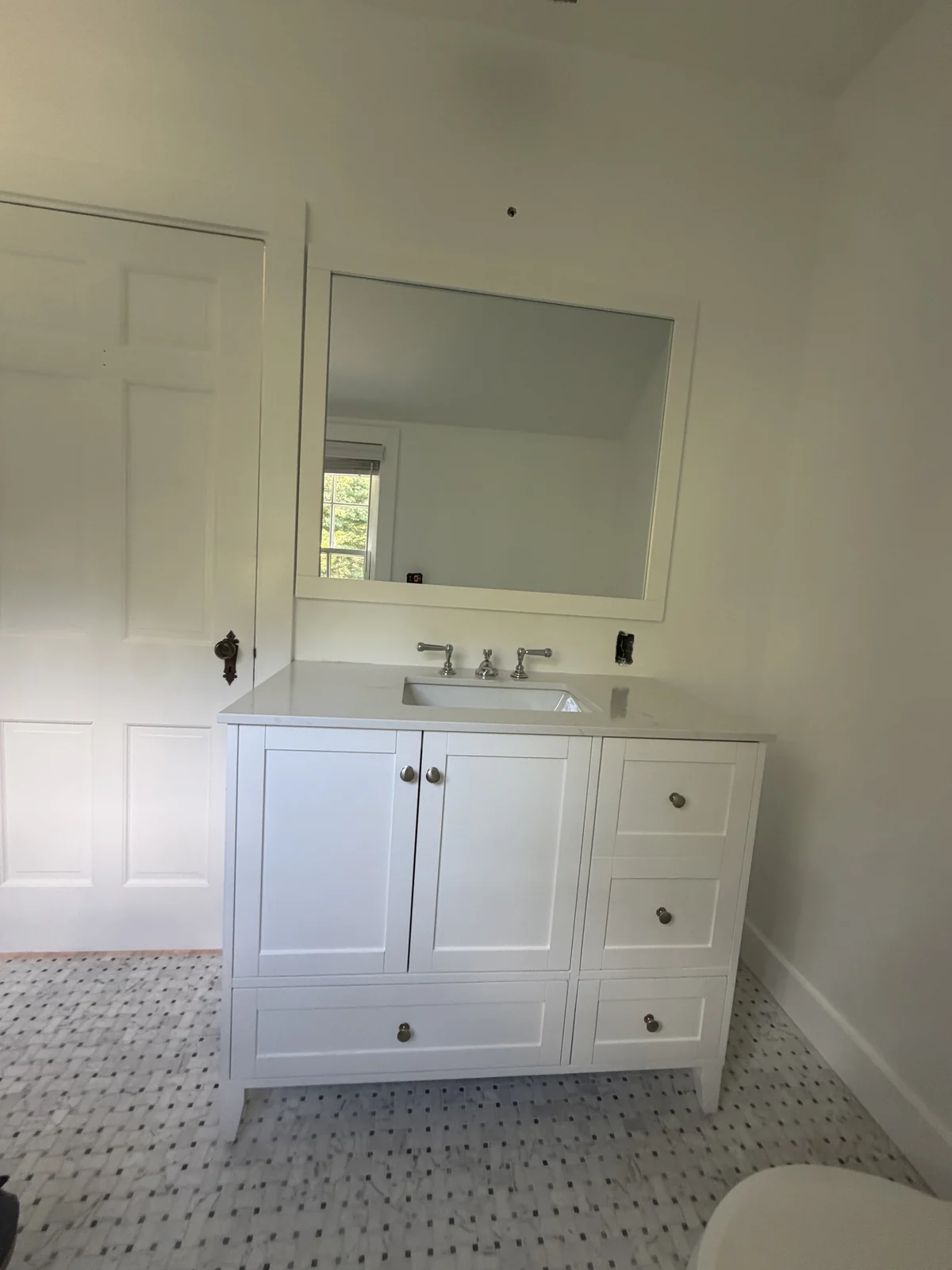
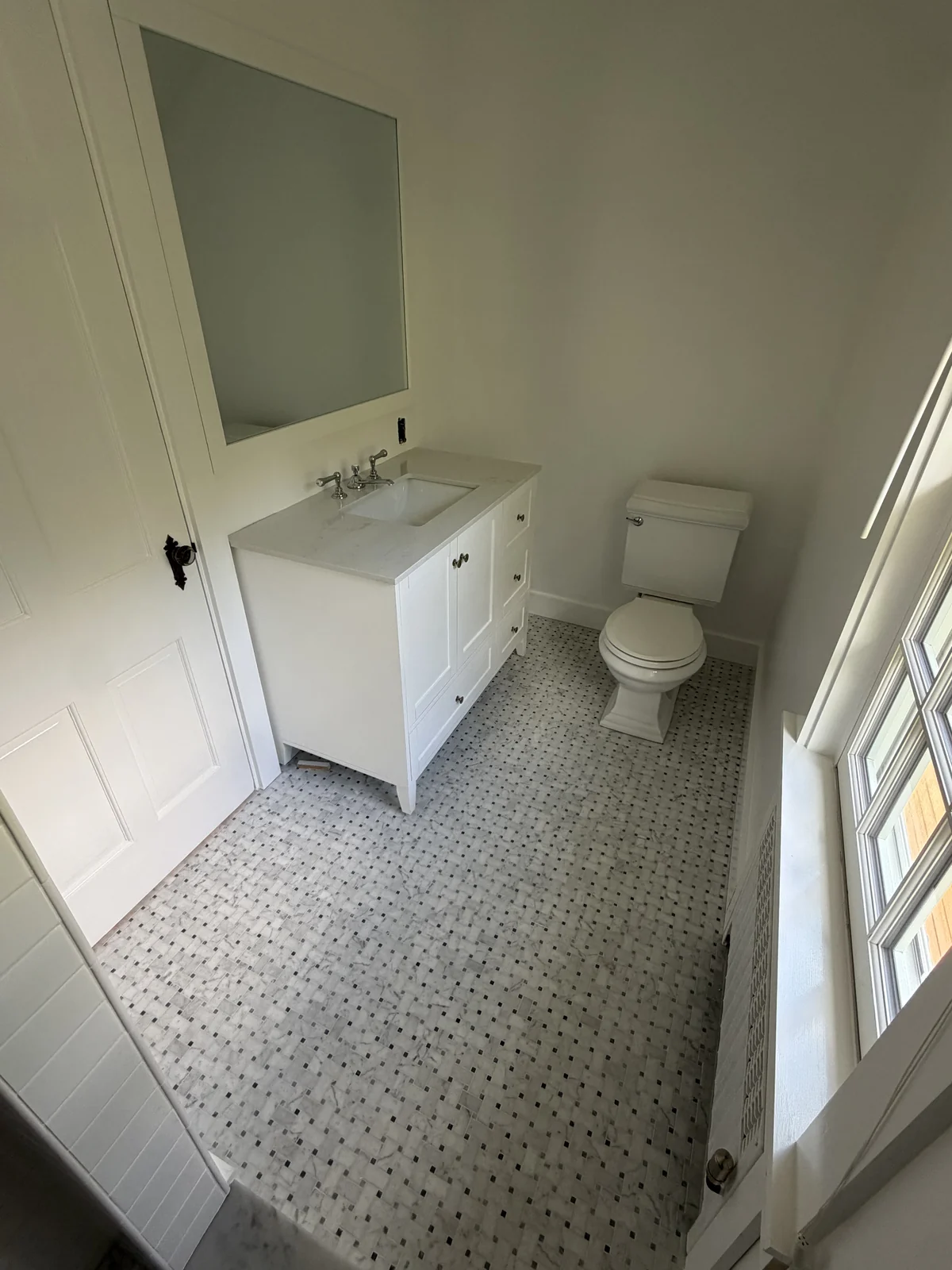
- Bathrooms, where water on the floor is a daily event, not an accident.
- Mudrooms and entries, where sand and grit act like sandpaper on a wood finish.
- Laundry rooms, where a leaking washer hose should be an annoyance, not a disaster.
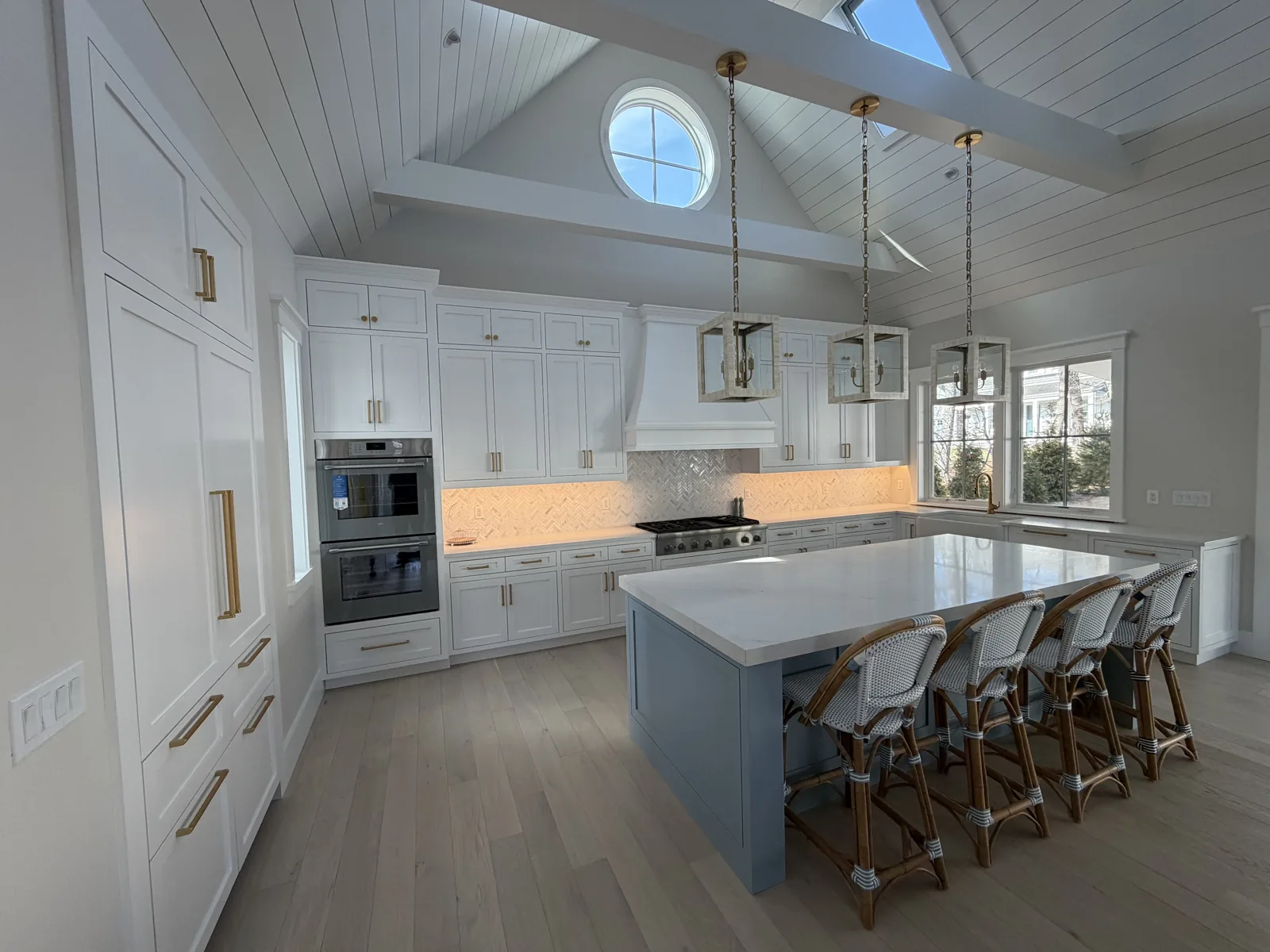
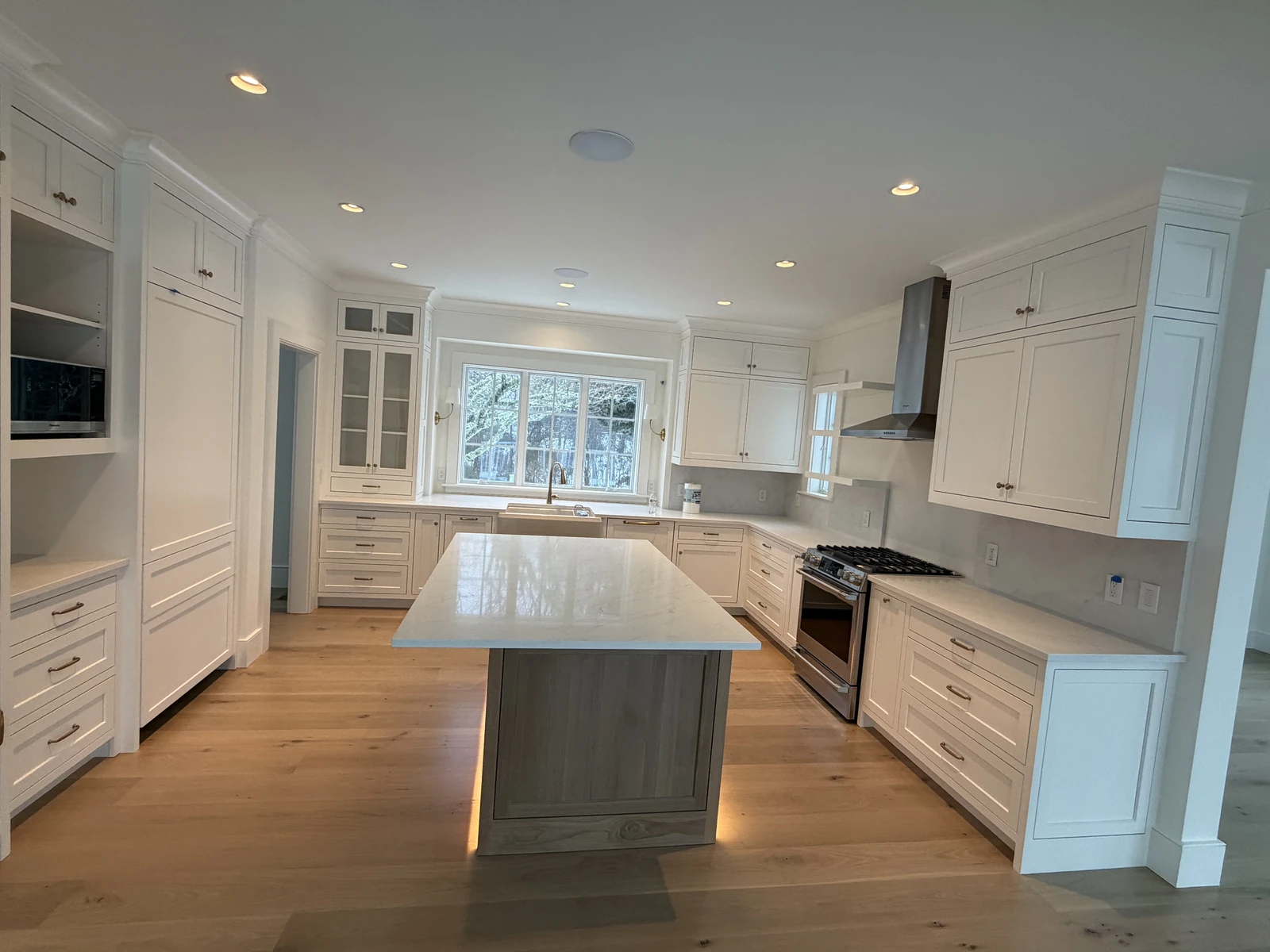
- Kitchens, especially in front of the sink and the dishwasher, if you like the look and do not mind a harder surface underfoot.
In living rooms and bedrooms most people still prefer wood for warmth and comfort, and that is where our hardwood flooring work comes in. Plenty of homes end up with both, with flush, clean transitions where one meets the other.
Porcelain, ceramic or natural stone
Not all tile is the same, and the right choice depends on the room.
- Porcelain is dense, absorbs very little water and is tough. It is the safe pick for most floors, and modern porcelain can look like stone, concrete or even wood plank.
- Ceramic is lighter and softer. It is beautiful on walls and works on floors in lower traffic rooms, but for floors that work hard we lean toward porcelain.
- Natural stone such as marble brings real veining and a classic look, especially as mosaics like basketweave or hexagon. It needs sealing and a little more care, and polished stone gets slippery when wet, which is why honed finishes and small mosaics are so popular in bathrooms.
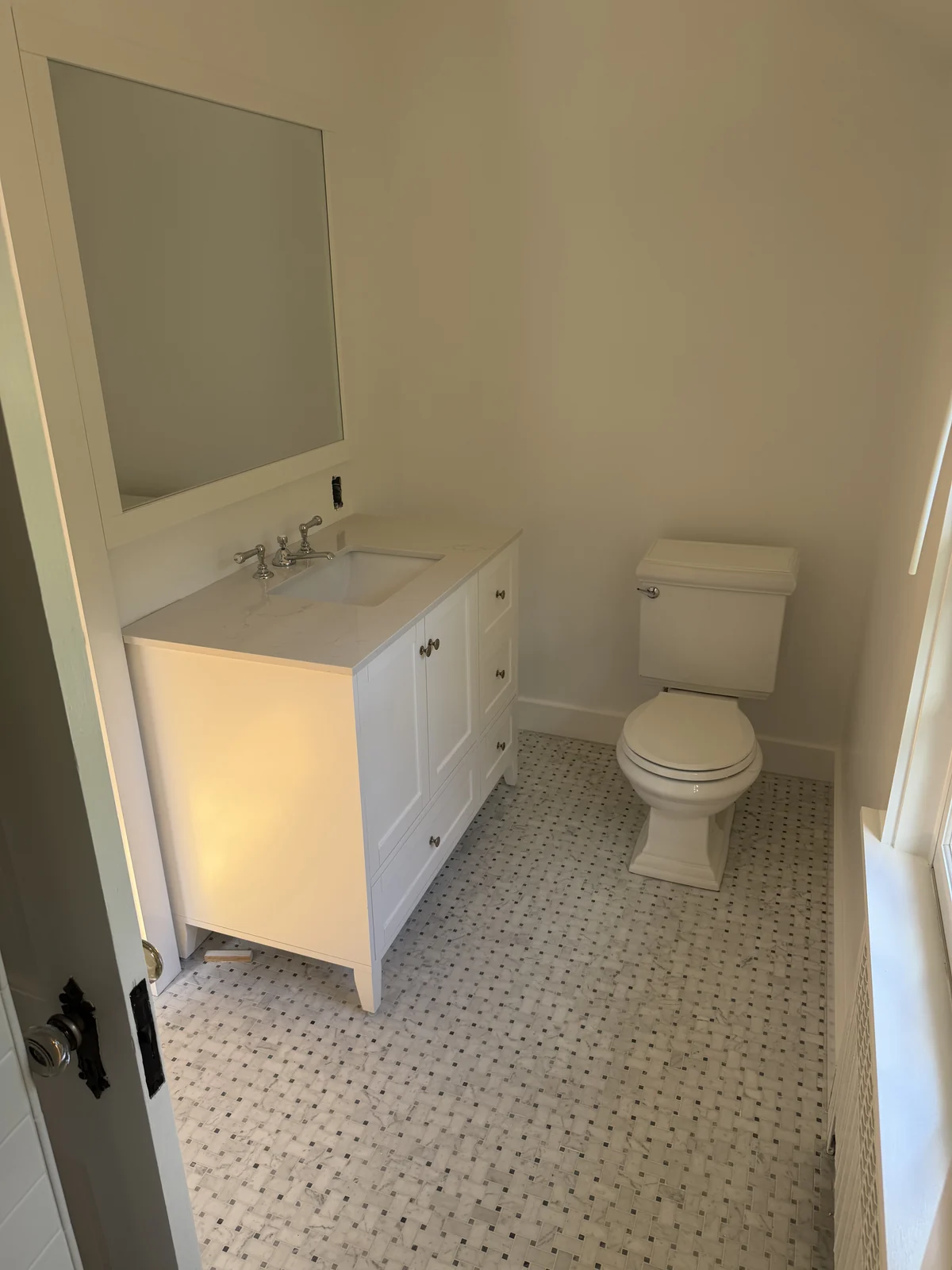
The part under the tile that decides everything
Tile and grout do not bend. If the floor under them flexes when someone walks across it, that stress has to go somewhere, and it shows up as cracked grout lines, tiles that sound hollow and eventually cracked tile. So before we talk about patterns, we look at the structure.
- Check the framing and the subfloor. Soft spots, old water damage and thin subfloors get repaired or reinforced first.
- Flatten the surface. Large format tile in particular needs a very flat floor, otherwise one edge sits higher than its neighbor, a problem installers call lippage.
- Choose the right underlayment. Depending on the room that can be cement backer board or an uncoupling membrane that lets the floor and the tile move independently.
- Set the tile with full coverage. Good mortar coverage under every tile is what keeps it from cracking under a dropped pan or a heavy appliance.
- Leave room to move. Floors need small movement joints at the walls, and in larger rooms in the field, hidden under the baseboard or filled with flexible caulk instead of grout.
Layout: the difference between custom and cheap
Two floors with the same tile can look completely different depending on the layout. We plan every room from its center lines so the cuts land evenly at opposite walls, avoid thin slivers at doorways where everyone will see them, and line up grout joints with the main sight lines of the room. Patterns like herringbone and basketweave take even more planning, because a crooked start shows up across the whole floor.
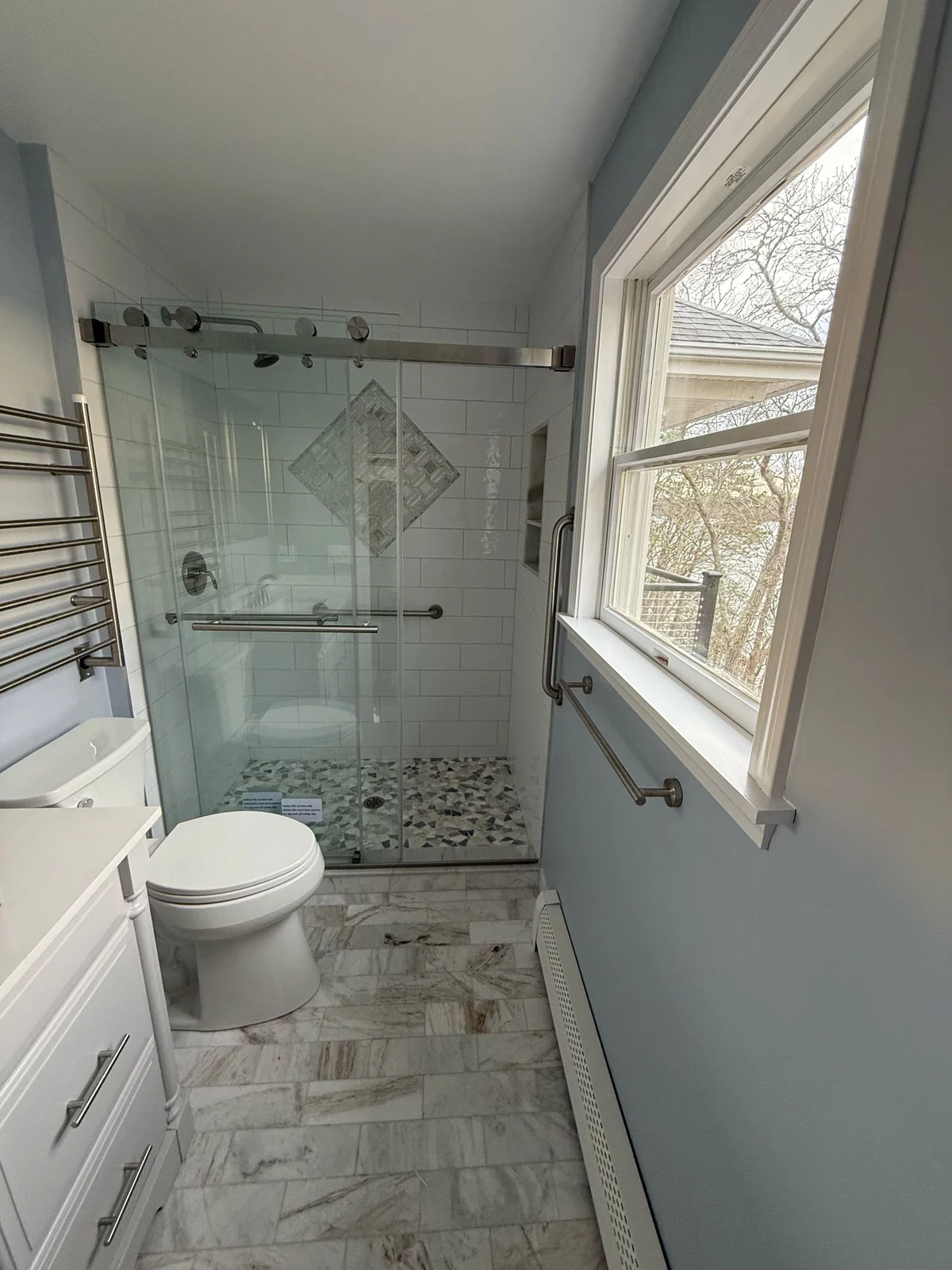
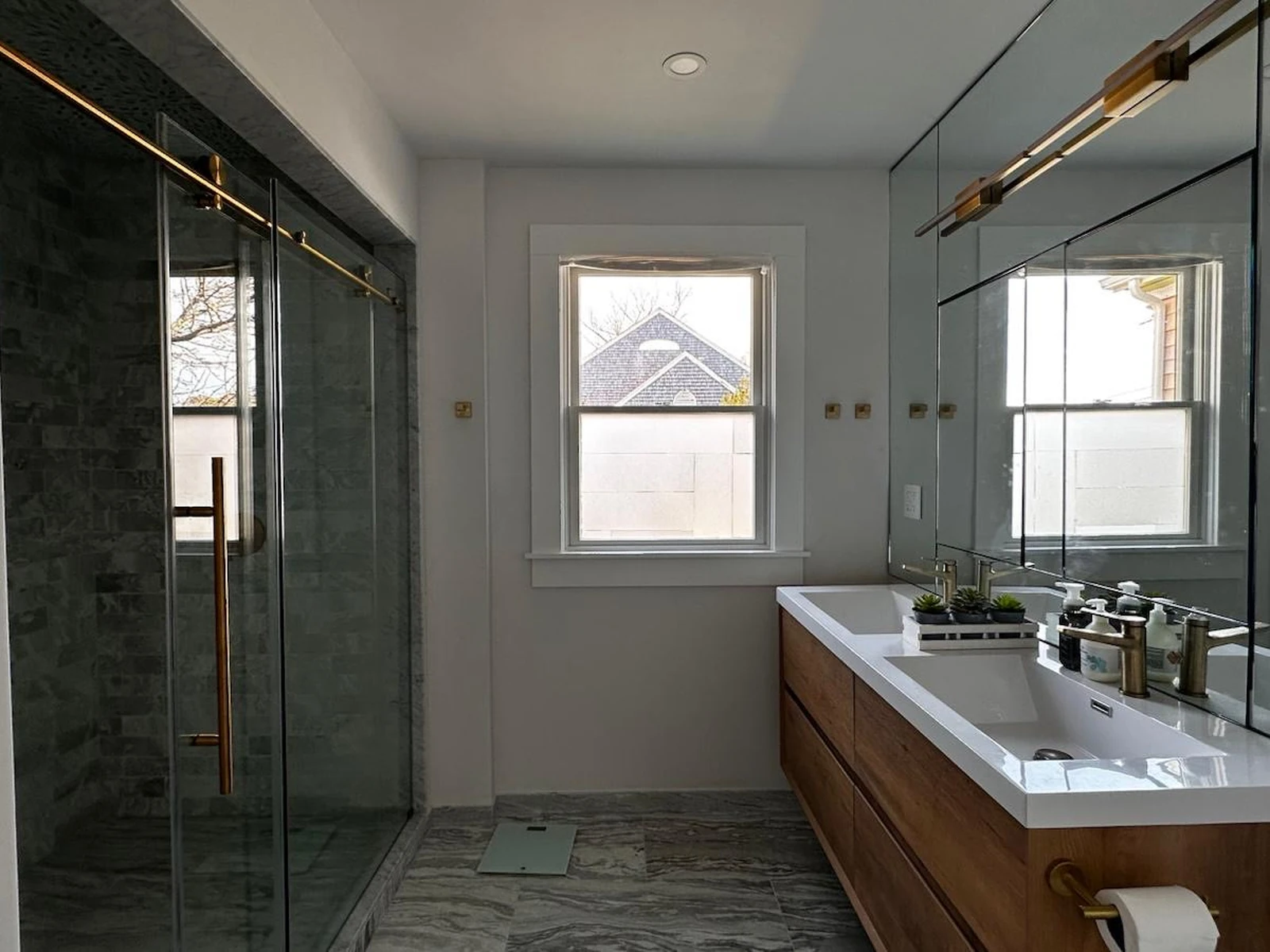
Living with a tile floor
- Seal natural stone and cement based grout as the product calls for, and reseal when water stops beading on the surface.
- Clean with a pH neutral cleaner. Harsh cleaners and vinegar can etch marble and break down grout sealers.
- Put felt pads on furniture legs and a mat at the door to keep sand from grinding the surface.
- If you love the look but hate cold feet in January, ask about a heated floor mat under the tile in a bathroom or mudroom.
Tile is one of those jobs where the cost of doing it right is mostly invisible, and the cost of doing it wrong shows up later. If you are thinking about a new tile floor, our tile flooring page shows more of our work, and we are always happy to come look at the room and the floor underneath it.