Cedar shingles are as much a part of Cape Cod as the beaches. Untreated white cedar weathers from honey to silver gray, sheds water well and handles salt air better than most siding. But even cedar has a lifespan, and the side of the house that faces the weather can wear out long before the others. Knowing what to look for saves you from paying for too much work, or too little.
How cedar shingles age
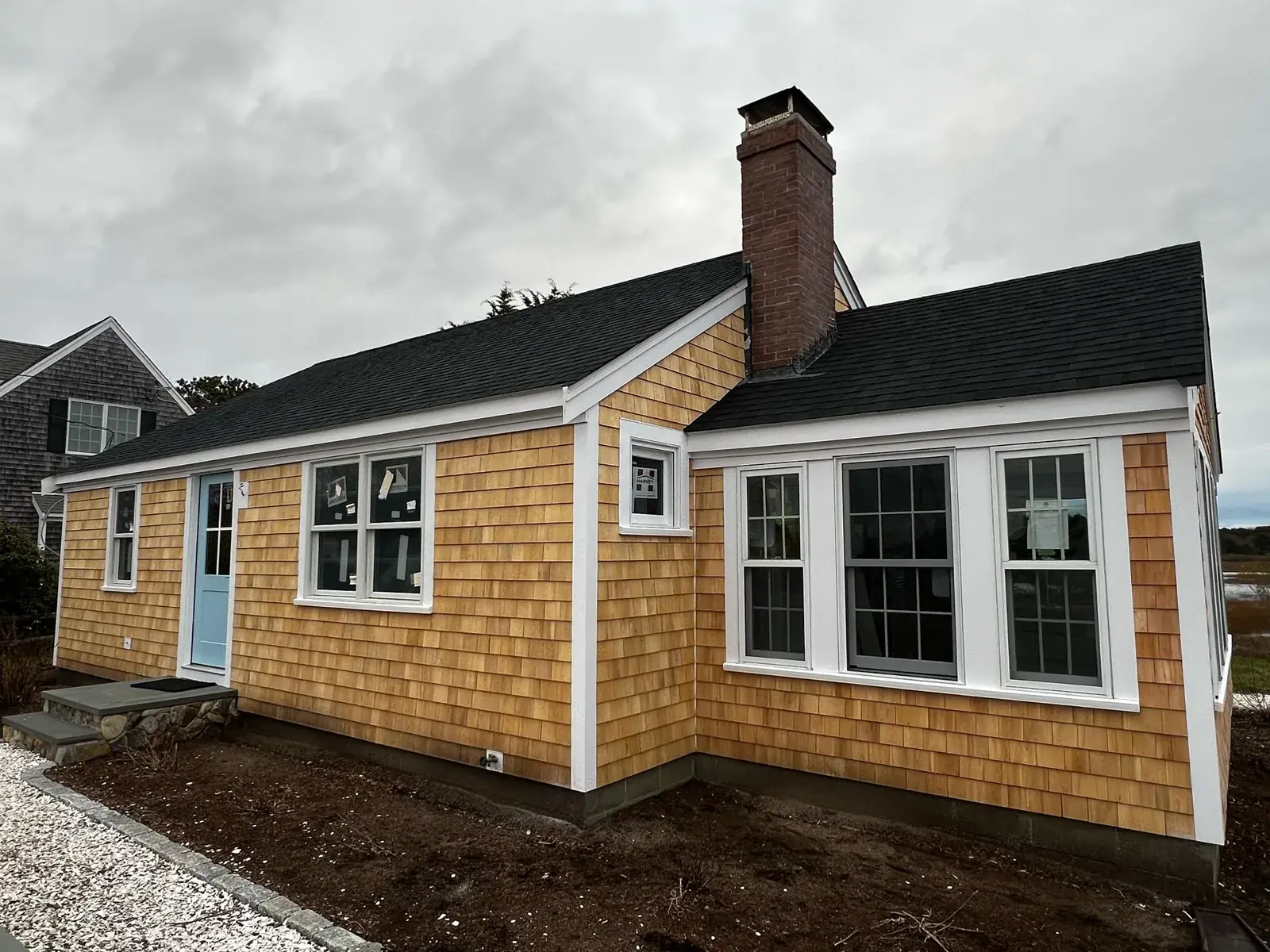
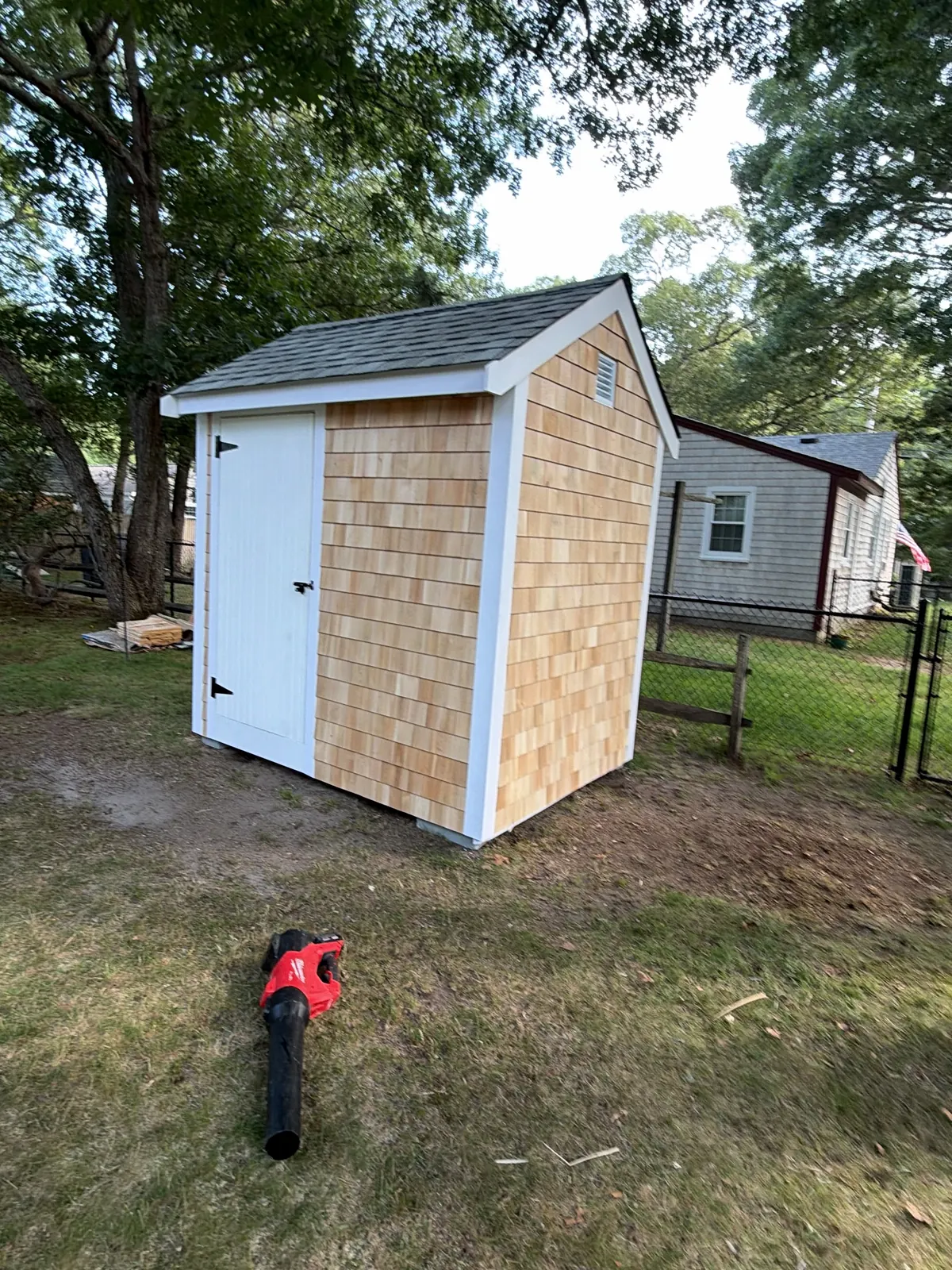
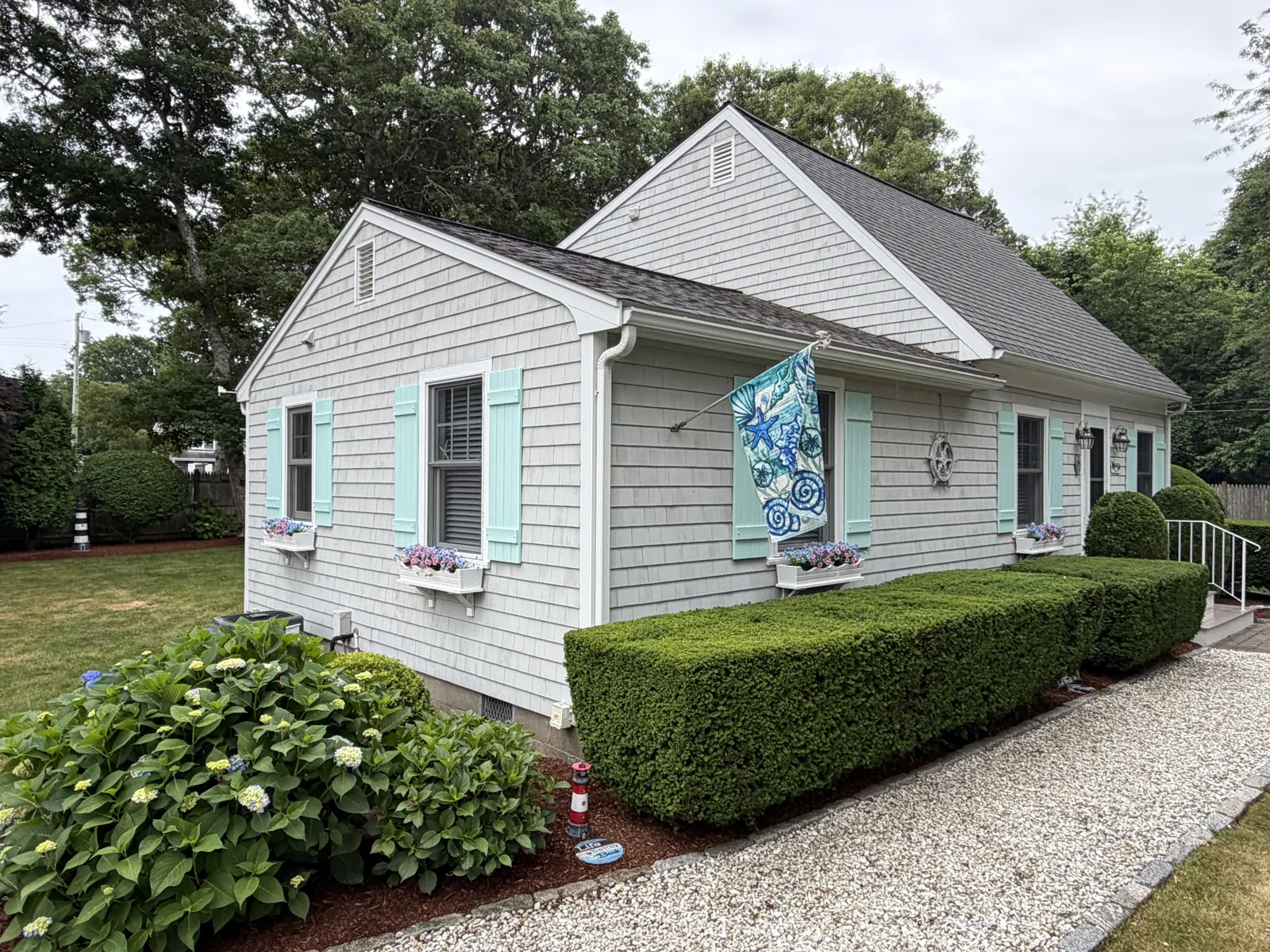
New white cedar starts out light and warm, then turns gray as the surface weathers. That color change is normal and does not mean anything is wrong. What matters is what happens to the shingle under the color: whether it stays flat and tight, or starts to curl, split and let water get behind it.
Warning signs worth a closer look
- Cupped or curled shingles that no longer lie flat against the wall.
- Splits and cracks, especially on the walls that take the most sun and wind.
- Missing shingles after a storm, which leave the wall behind them exposed.
- Dark streaks, moss or soft wood at the bottom courses, where water and splashback collect.
- Stains or rot below windows and around doors, which is often a flashing problem more than a siding problem.
- Rusty nail heads or nails backing out, a sign of fasteners that were never meant for coastal air.
Repair, one wall or the whole house?
Weather rarely hits all four walls the same way. It is common to find the most exposed wall worn out while the sheltered sides still have years left. That gives you three honest options:
- Spot repairs: replacing damaged shingles and courses where the problem is isolated, woven into the surrounding siding.
- Re-side the worst wall: a smart move when one side has failed and the others are sound. The new shingles start out lighter and weather in over a few seasons.
- Re-side the house: when most walls show wear, or the sheathing and flashing underneath need attention, doing it all at once is the better long term investment.
The deciding factor is often what is under the shingles. If the sheathing is soft or the flashing around the windows has failed, patching the surface only hides the problem. We open up the suspect areas and show you what we find before recommending a path.
Details that make new shingles last
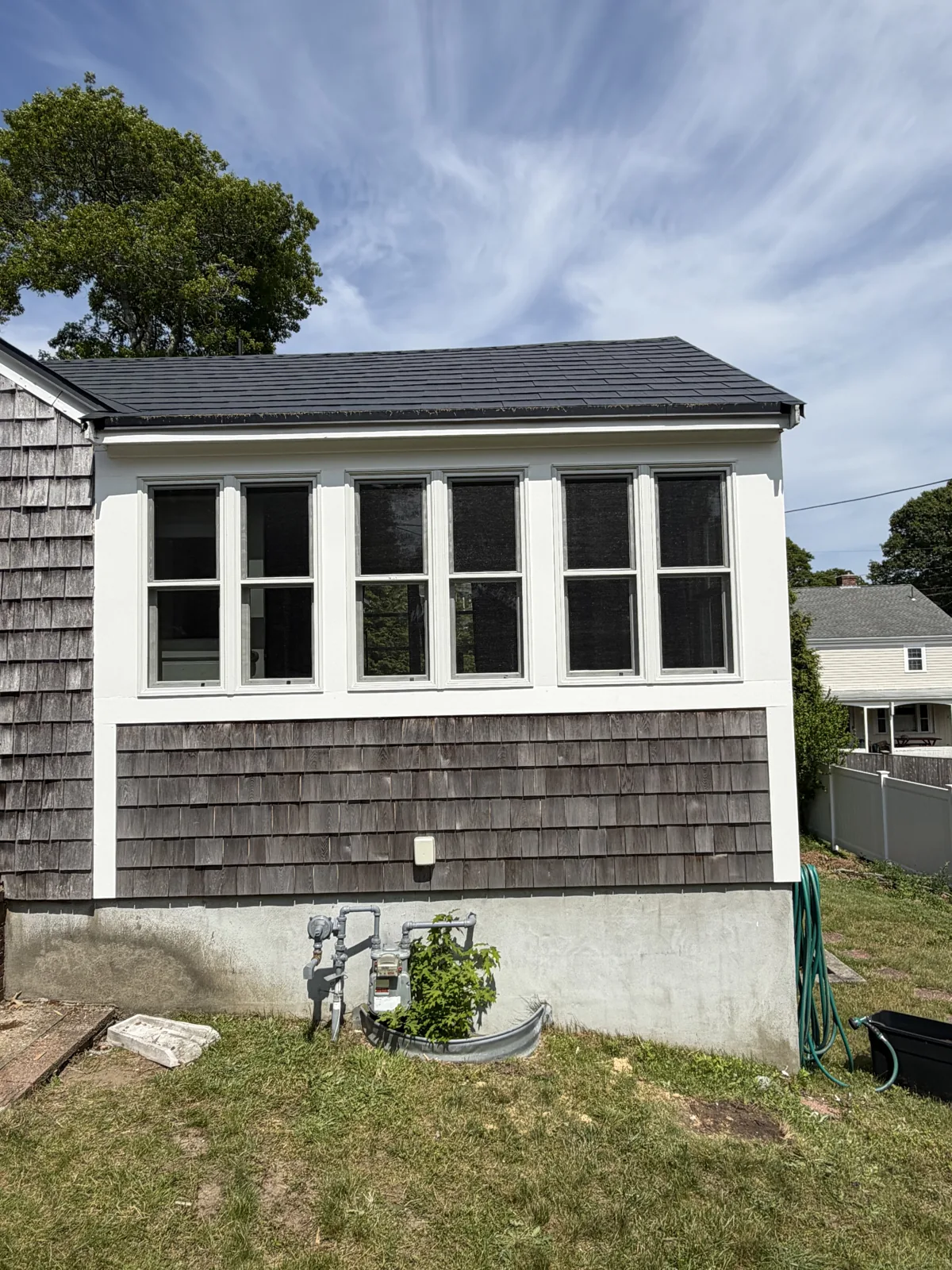
- Proper flashing at windows, doors, corners and roof lines, layered so water always runs out and down.
- Stainless steel or hot dipped galvanized fasteners that will not rust and streak in salt air.
- Straight courses with a consistent exposure, which look sharp and shed water evenly.
- Low maintenance PVC trim that keeps the original profiles but does not rot.
- A wall that can dry. Wood siding needs to dry out after rain, so the layers behind it matter as much as the shingles.
Keeping cedar in good shape
Keep the gutters clean so they do not overflow onto the walls, trim shrubs back so the siding can dry, and do not let soil or mulch pile up against the bottom course. Natural weathering needs no treatment, but if you prefer to hold the original color, a breathable finish can be applied and maintained over time.
If your shingles are showing their age, we are happy to walk the house with you and tell you what we see, including when something can wait a few more seasons. See our siding and exterior trim work for examples, and our windows and doors page if the openings are part of the problem.